

Processing coffee fresh from the coffee cherry tree to the ready to roast green coffee bean can involve multiple methods, ranging from the common natural drying process to the wet-hulled process unique to Indonesia. Find out what each process involves and how this effects your favorite coffee.
Fully Washed
The cherry skin and fruit is completely removed from the seed, also known as the coffee bean, before it is dried.
Results: Higher clarity of flavors and notes that produces a brighter, crisper coffee with a bit more acidity.

Natural
Harvested coffee cherries are dried whole in the sun with the fruit still intact, so the coffee bean can absorb the sugars and flavors from the fruit.
Results: Earthy and intense flavor profile.
Wet-Hulled
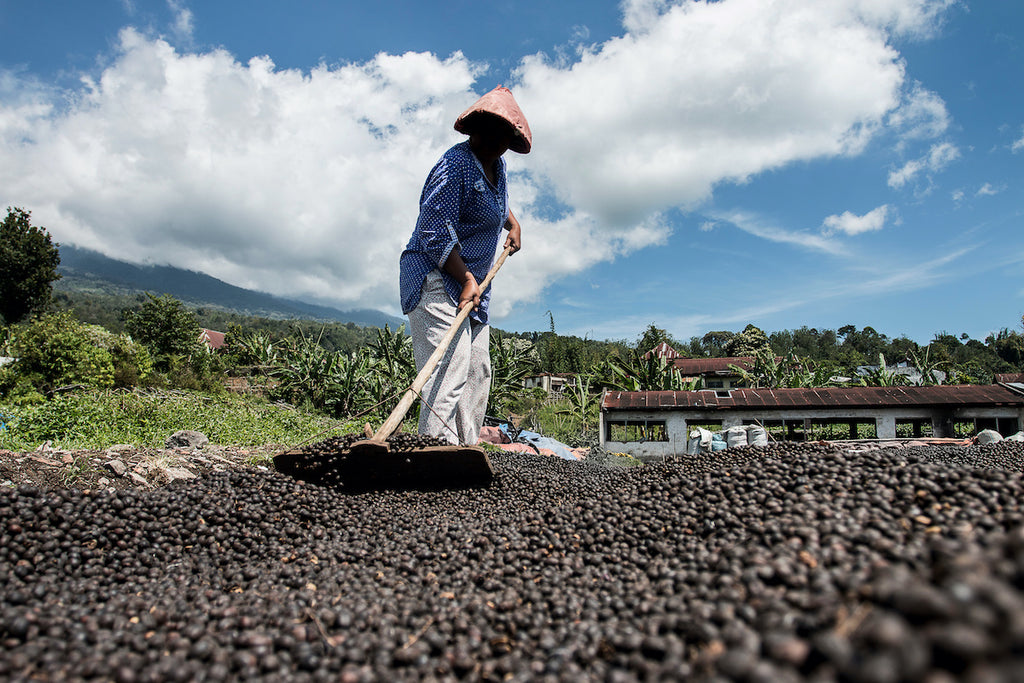
The Wet-Hulled process, also named giling basah, is uniquely practiced in Indonesia, and particularly on the islands of Sumatra and Sulawesi. Through this process, the parchment layer covering the bean within the coffee cherry is removed, starting with removing the outer cherry layer from the inner mucilage, parchment and seed. Then the bean will be fermented overnight to break down the outer mucilage while still keeping the outer parchment layer intact. That mucilage, once broken down, will be washed off, creating wet parchment coffee (since that layer of parchment was washed but not removed).
The bean will then be sun-dried for no more than 2-3 days with the outer parchment layer intact until the bean reaches a moisture content between 20-24% (through a wet processing method the coffee would continue to be dried until it reaches an 11% moisture content that will allow the parchment layer to become brittle and easy to remove). At this higher moisture content, the coffee bean is still soft to the touch and the parchment layer is semi-dried. From there, the coffee beans will go through a huller specifically designed to handle this semi-dried parchment. Now the beans are finally ready to be sun-dried to that final 12-13% moisture content.
Why? Indonesia’s geography has high rainfall and humidity rates that cause coffee beans to take even longer to dry, which would leave the coffee susceptible to bacteria from sitting out for far longer.
Results: Rich and strong coffee with recognizable bold notes. 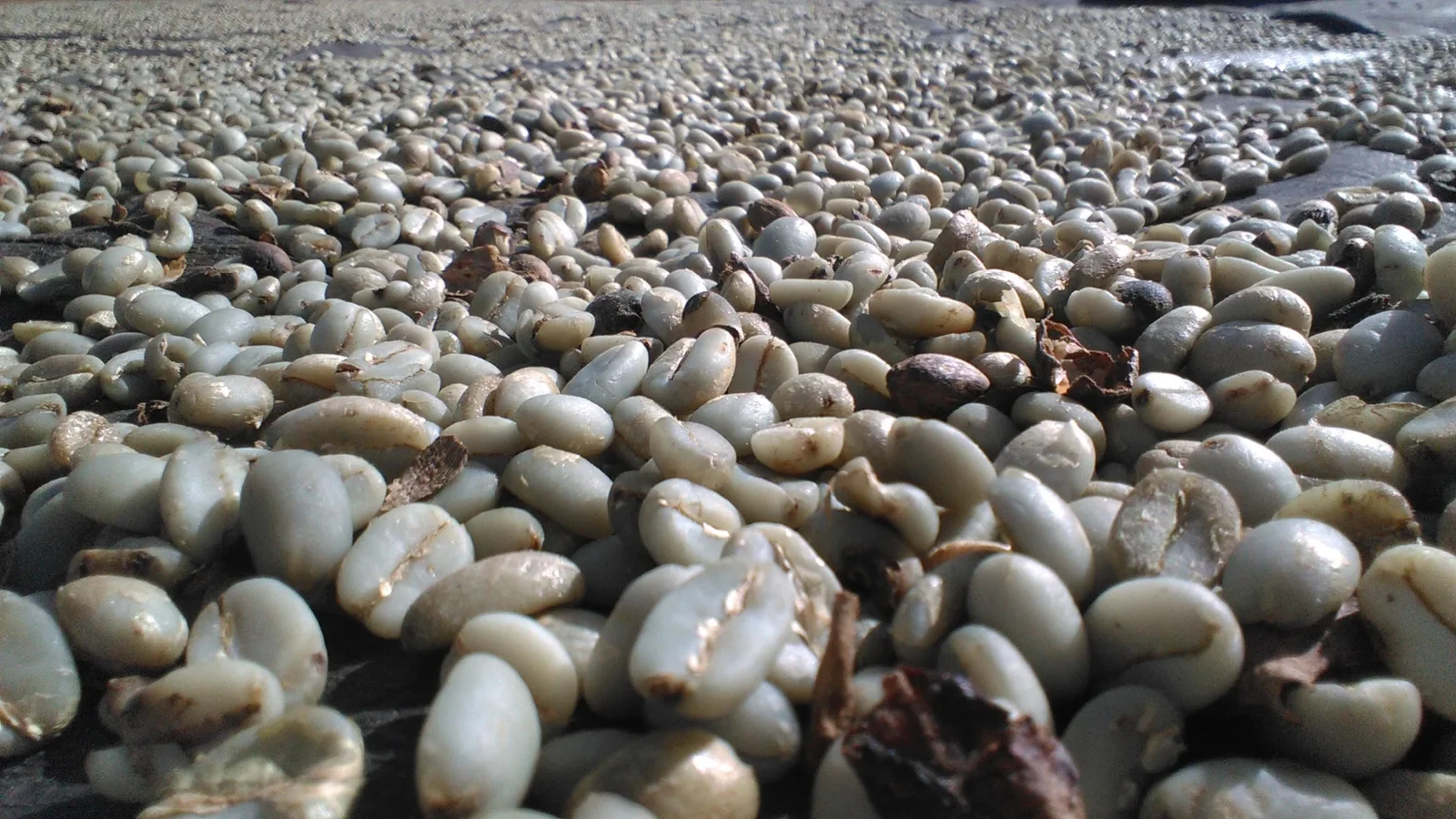
Anaerobic Fermentation (Natural Anaerobic)
After the coffee cherries are harvested, the whole cherries are fermented in sealed, low-oxygen tanks for 2-3 days. They then go through the natural drying process where they will be sun-dried with the fruit still on the bean. The fermentation process creates intense, fruity, and wine-like flavors, which the coffee bean then absorbs the sugars and flavors from the fruit during the natural drying process to intensify these notes even further.
Results: Fruity, bright, and balanced coffee.
Washed- Carbon Neutral
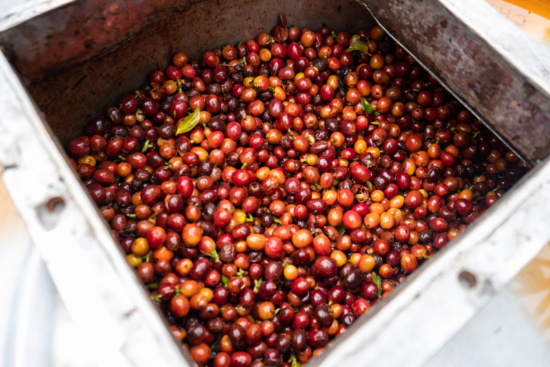
The washed processing method for coffee has a large environmental impact because of the amount of water used to remove the bean from the cherry as well as the waste created from the pulp and husk of the coffee cherry that may not be composted correctly. The Washed-Carbon Neutral process takes this into consideration and works towards minimizing the environmental impact of processing coffee through various strategies, such as utilizing renewable energy for processing and drying the coffee, waste management, and growing the coffee under the shade of trees (native trees act as carbon storage).
Results: Brighter coffee profile with the added carbon neutral benefit to reduce your carbon footprint.
Swiss Water Decaffeination
The Swiss Water Decaffeination process removes 99.9% of the caffeine from the coffee bean using only water, temperature, and time, making it completely chemical free.
Since the coffee beans are already processed, they will be gently cleaned and hydrated to preserve the unique characteristics of the flavor profile. The beans will then interact with the Green Coffee Extract (“100% caffeine and chemical-free symphony of water and coffee’s essential compounds” .Swiss Water) which will allow the caffeine molecules to migrate outwards while the flavors are preserved in the coffee itself. Once the beans are fully dried after this process, the Green Coffee Extract and caffeine molecules left from the interaction will pass through chemical free carbon filters specifically designed to trap caffeine molecules so that the Green Coffee Extract is now good to be reused and cycled in with a new batch of beans.
